
What to Ask Your Doctor About Heavy Menstrual Bleeding

Quick TakeBleeding through a pad in under two hours, passing large clots, or feeling wiped out cycle after cycle can be hard to ignore. If that sounds familiar, you’re not overreacting — and you’re not alone. This post is here to help you prepare for a confident, productive conversation with your healthcare provider about what you’re experiencing and what support might look like next. |
Productive Period Conversations
If you’ve ever left a doctor’s appointment thinking, “I forgot to mention that,” or “I didn’t know how to explain what was really going on,” you’re in good company.
When it comes to periods, many women have been taught to tough it out — even when heavy or disruptive cycles are quietly reshaping daily life. If our earlier post on signs your period might be heavier than typical resonated with you, consider this your next step: learning how to speak up, clearly and confidently, about what you’re experiencing.
Let’s get you ready for a conversation that feels informed, empowering, and productive.

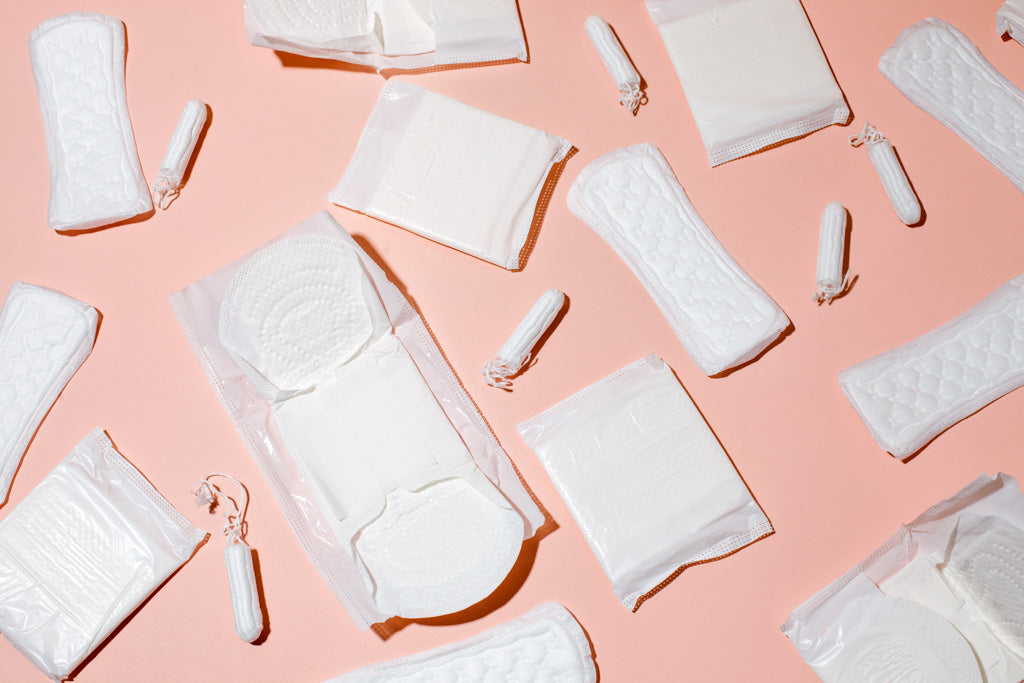
More than just inconvenient
What Can Signal Heavier-Than-Typical Periods?
If you’re wondering whether what you’re experiencing is worth bringing up with your doctor, here’s a helpful reference point.
Some experiences that often prompt a follow-up conversation include:
-
Bleeding through a pad or tampon in under two hours
-
Needing to double up on protection
-
Passing larger clots on a regular basis
-
Bleeding that lasts longer than a week
-
Feeling limited in work, social plans, or daily routines because of your flow
If even one of these feels familiar, it’s reasonable — and important — to talk with a healthcare provider about it.
It starts with a conversation
Why Preparing Questions Matters
Many women live with heavy or disruptive periods for years before getting clear answers — not because they didn’t speak up, but because symptoms were minimized or normalized.
What can feel like “just a bad period” may sometimes be associated with underlying factors your provider may want to explore, such as:
-
Fibroids or polyps
-
Endometriosis or adenomyosis
-
Bleeding or clotting disorders
-
Hormonal shifts, including perimenopause
Source: Mayo Clinic – Heavy Menstrual Bleeding
Coming in prepared helps ensure your concerns are fully understood — and not brushed aside.
10 Smart Questions to Ask
You don’t need to ask all of these. Choose the ones that feel most relevant to you.
-
How would you describe what I’m experiencing based on my symptoms and history?
-
What factors could be contributing to my heavier or more disruptive periods?
-
Are there tests or imaging that could help us better understand what’s going on?
-
Could this be connected to hormonal changes or life stage transitions?
-
Should we monitor things like iron levels or overall energy if my periods feel draining?
-
What medical or lifestyle approaches are commonly considered in situations like this?
-
What are the potential benefits and trade-offs of the options you’re recommending?
-
Are there supportive wellness tools or self-care approaches that might complement medical guidance?
-
How long should we try a given approach before reassessing?
-
What’s our plan if things don’t improve or continue to change?

You Deserve Support—Not Dismissal
At OhmBody, we believe heavy or disruptive periods aren’t “just inconvenient.” They can affect sleep, energy, mood, work, relationships, and confidence. And no one should feel pressured to simply push through without support.
OhmBody is a wearable, drug-free wellness device designed to support comfort and whole-body well-being during menstruation — including areas like mood, sleep, focus, energy, and digestion. It’s meant to complement how you care for yourself and to fit into real life, not replace medical care.
If you’re exploring additional, non-hormonal ways to feel more supported during your cycle, OhmBody may be one option to learn more about.
Friendly heads-up:
This content is here to inform, support, and start good conversations — not to replace medical advice. OhmBody is a wellness device designed to support comfort and overall well-being during menstruation, including areas like mood, sleep, focus, energy, and digestion. It’s not a medical treatment. Always check in with a qualified healthcare provider about symptoms, diagnoses, or care decisions. Your body deserves expert backup.
Read more
Heavy periods aren’t just frustrating—they may be a sign of something more. Here are 5 ways to know if your flow is heavier than it should be and how to find support that works with your body.
Wondering if your period is too short or too long? Learn what’s normal, what’s not, and how to take control of your menstrual health with OhmBody.