
5 Signs Your Period Might Be Too Heavy
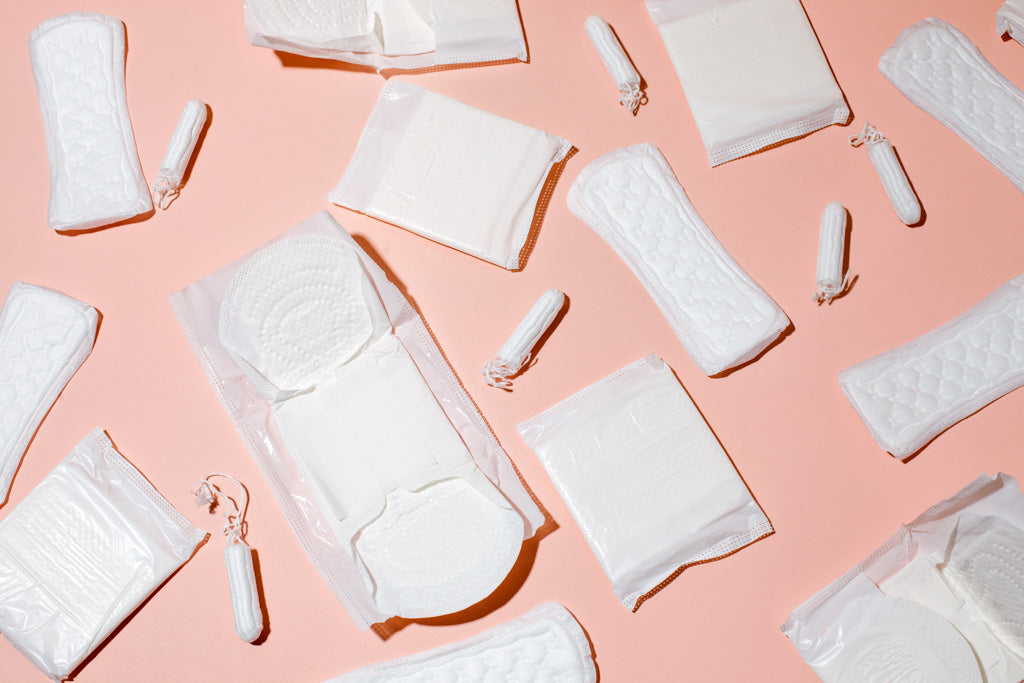
Quick TakeHeavy bleeding? Large clots? Soaking through products or needing double protection? You don’t have to pretend that feels normal. If your period regularly forces you to cancel plans, stay close to a bathroom, or carry backup supplies everywhere you go, it’s understandable to wonder whether your flow is heavier than expected. You’re not alone. Many women experience periods that feel harder to manage than they should be — and far too many of us were taught to “just deal with it.” But when your cycle feels disruptive, overwhelming, or unpredictable, it deserves attention. Here are five signs your period may be heavier than typical — and what to do next. |
1. You’re Changing Pads or Tampons Constantly
If you’re soaking through a pad or tampon every 1–2 hours, or layering products to avoid leaks, that’s a sign worth paying attention to.
What’s typical? Most women lose about 2–3 tablespoons of blood during their entire period. More than 5 tablespoons (that's 80 mL for our metric fans) is considered heavy.
2. You’re Passing Large Blood Clots
Seeing small clots occasionally can be part of menstruation. But if you’re regularly passing larger clots — about the size of a quarter or more — it may be another sign your flow is heavier than expected.
When this happens alongside heavy bleeding or longer periods, it’s worth bringing up during a medical visit.
3. Your Period Drags On for More Than a Week
For many women, a typical period lasts under a week. If yours regularly stretches beyond seven days — especially if the flow stays heavy — it can start to feel physically and emotionally draining.
Longer periods aren’t something you have to just “push through.” They’re another signal that deserves a closer look.
4. You Feel Drained, Dizzy, or Foggy During Your Cycle
Periods can come with shifts in energy, but feeling persistently drained, mentally foggy, or lightheaded during your cycle can make everyday life harder than it needs to be.
If these feelings show up month after month, they’re worth discussing with a healthcare provider — especially if they’re affecting your ability to work, socialize, or feel like yourself.
5. Your Period Is Interrupting Your Life
Skipping work. Avoiding travel. Saying no to plans “just in case.”
If your period regularly dictates how you live, that disruption matters.
Your cycle shouldn’t feel like something you have to plan your entire life around.
What You Can Do
If any of these signs sound familiar, the first step is a conversation with your healthcare provider. Heavier or disruptive periods can have many causes, and a clinician can help you understand what’s going on and what options make sense for you.
Alongside medical guidance, some women also explore non-hormonal wellness tools as part of their self-care routine.
OhmBody is a wearable, drug-free wellness device designed to support comfort, mood, sleep, digestion, focus, energy and healthy menstrual flow. It’s not intended to diagnose or treat heavy menstrual bleeding or medical conditions — but for many women, it’s one way to feel more supported as they navigate their cycle.
Your Cycle. Your Experience.
No one knows your body like you do. If your period feels harder to manage than it should, you deserve answers, support, and options — not dismissal.
Pay attention to what your body is telling you. Start the conversation. And know that you don’t have to navigate this alone.
Friendly heads-up:
This content is here to inform, support, and start good conversations — not to replace medical advice. OhmBody is a wellness device designed to support comfort and overall well-being during menstruation, including areas like mood, sleep, focus, energy, and digestion. It’s not a medical treatment. Always check in with a qualified healthcare provider about symptoms, diagnoses, or care decisions. Your body deserves expert backup.
Citations:
The following resource provides general information on heavy or disruptive periods and is not a substitute for medical advice:
https://www.cdc.gov/female-blood-disorders/communication-resources/signs-and-symptoms.html
Read more
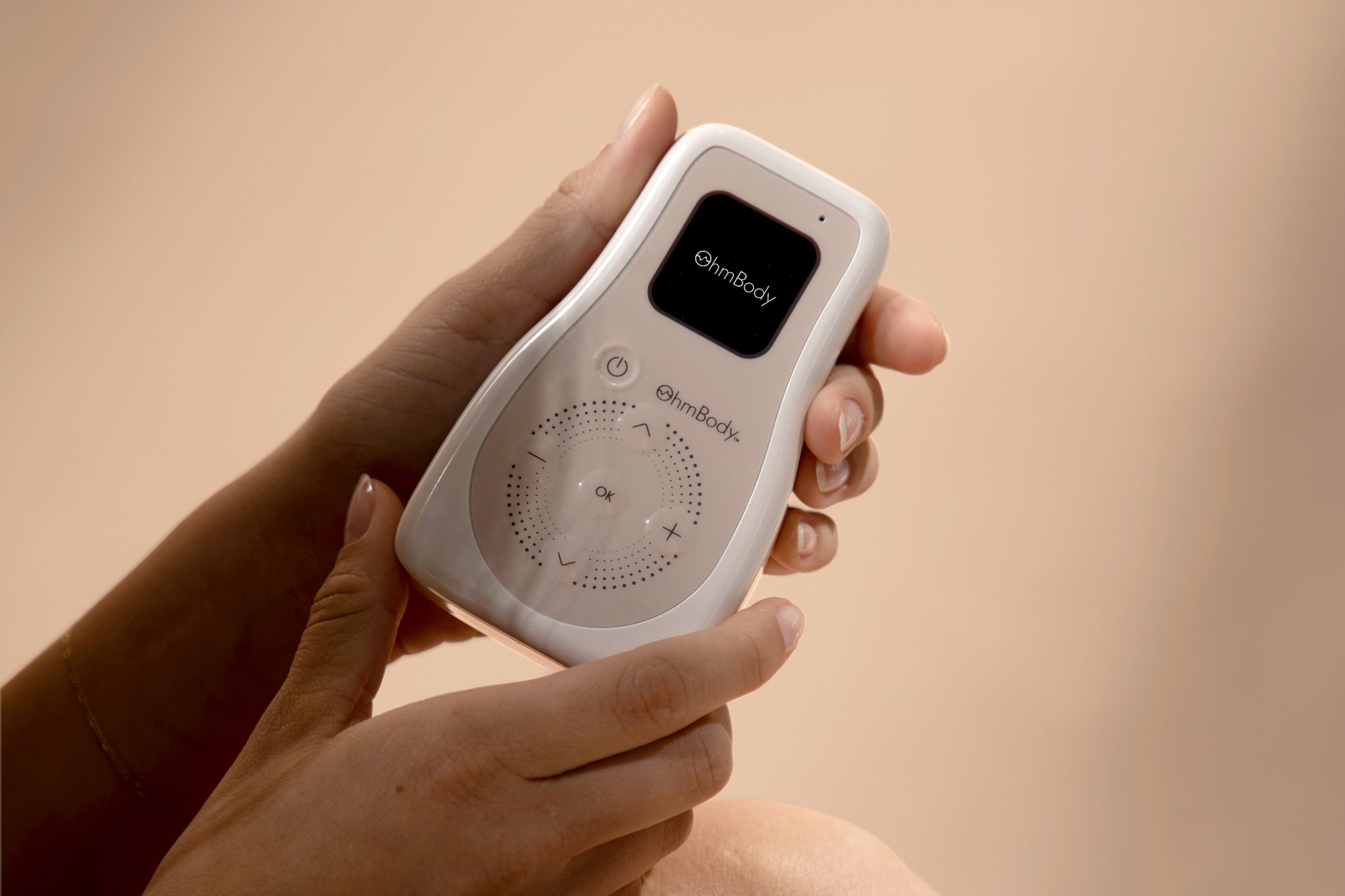
More than a period or health tracker, OhmBody is a wearable wellness device designed to support relaxation, comfort, and a more balanced experience throughout your cycle.
If you’ve ever left a doctor’s appointment thinking, “I forgot to mention that,” or “I didn’t know how to explain what was really going on,” you’re in good company. When it comes to periods, many w...